Andean Weaving
Discover the looms of Pisac and Chinchero, where the colours of the Andes come to life.
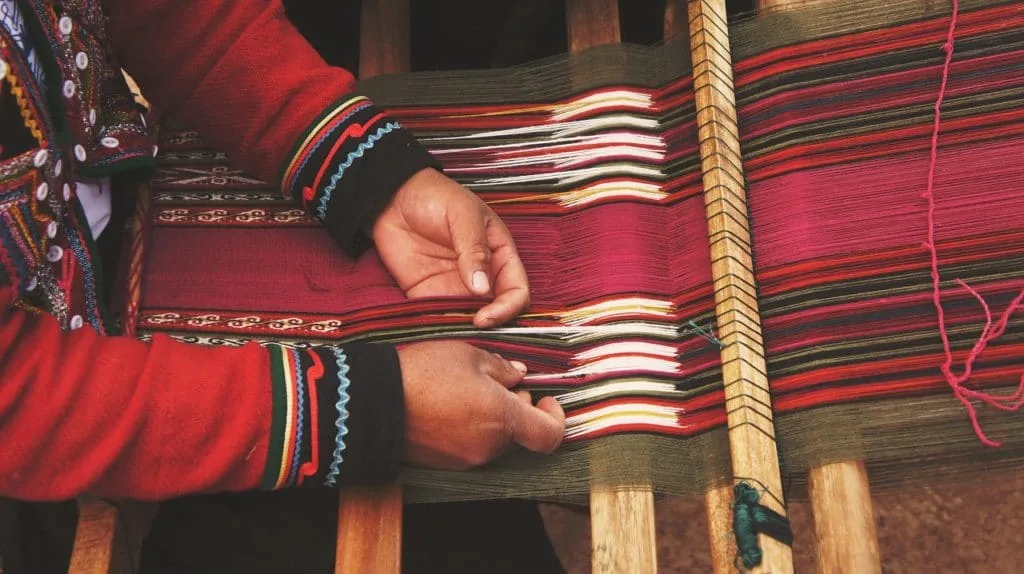
People in the Andes have been weaving for thousands of years, and for the Incas cloth was worth more than gold. Today communities in the Sacred Valley and around Lake Titicaca still spin alpaca, llama and sheep wool by hand, dye it with plants, minerals and cochineal, and weave on backstrap looms with designs handed down from mother to daughter.
Each village has its own patterns and colours, telling of rivers, mountains, lakes and community life. Watching the whole process —washing, spinning, dyeing and weaving the wool— changes the way you look at a blanket or a chullo hat at the market.
Tours to experience Andean Weaving
Guide: Andean Weaving in Peru
Where to experience it
Chinchero
Local weavers show how they wash wool with a root that lathers, how they dye it and how they weave, in an Andean town with a colonial church and views of snowy peaks.
See the tourPisac market
One of the best-known craft markets in the Sacred Valley, with blankets, ponchos and textiles from all over the region.
See the tourCusco's museums
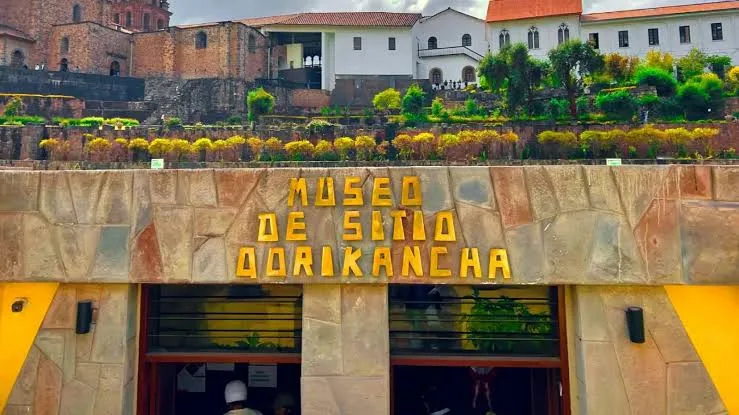
Inca and pre-Inca textiles showing how far this craft was taken, and workshops where weavers from different communities can be seen at work.
See the tourTaquile Island
On Lake Titicaca, an island whose textile art is recognised by UNESCO, where men knit the chullo hats that show their marital status.
See the tour
Tips
If you buy, do so at weavers' centres or directly from the weaver: the money reaches the community and you know what you are getting. A hand-woven piece has small irregularities and takes weeks of work, which is why it costs more than a machine-made one.
Frequently asked questions
How can I tell if a garment is real alpaca?
Alpaca is soft, slightly cool to the touch at first and does not shine like acrylic. Be wary of very low prices and '100% alpaca' labels at souvenir stalls: weavers' centres will explain the difference.
Can I learn to weave?
Some communities offer short spinning or weaving workshops. Let us know when booking and we will add one to your Sacred Valley tour.
What do the designs in the textiles mean?
Each community has its own: they depict rivers, lakes, mountains, plants, animals or moments of village life. Weavers are usually happy to explain what each one says.