
Pisco Route
Tastings and artisan distilleries to get to know Peru's national drink.
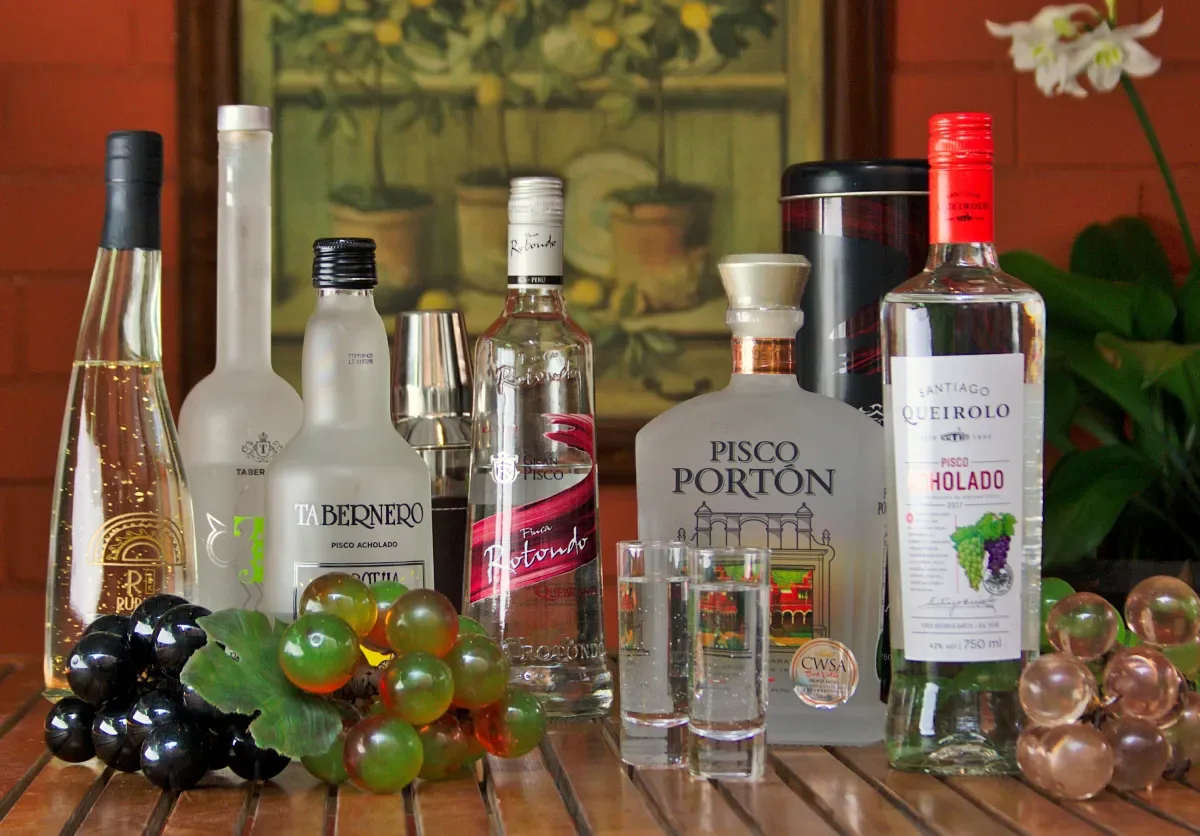
Pisco is a grape brandy made in the valleys of Peru's coast since colonial times. It is distilled only once, with no added water and no ageing in wood, so all its flavour comes from the grape: there are single-variety piscos, such as quebranta or italia, acholados that blend several, and the smoother mosto verde.
Getting to know it is part of understanding Peruvian culture: in Lima's bars, at artisan distilleries where grapes are still trodden by foot, and at tastings where you learn to tell its aromas apart. And, of course, in a well-made pisco sour.
Tours to experience Pisco Route
Guide: Pisco Route in Peru
Where to experience it
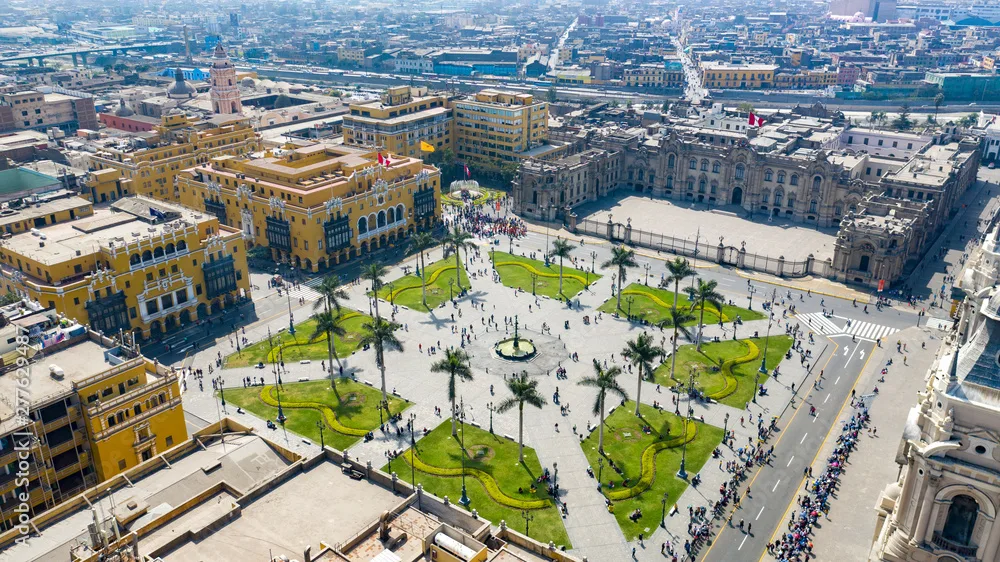
Bars in central Lima
The traditional bars of the historic centre, where some of the most famous pisco cocktails are said to have been born.
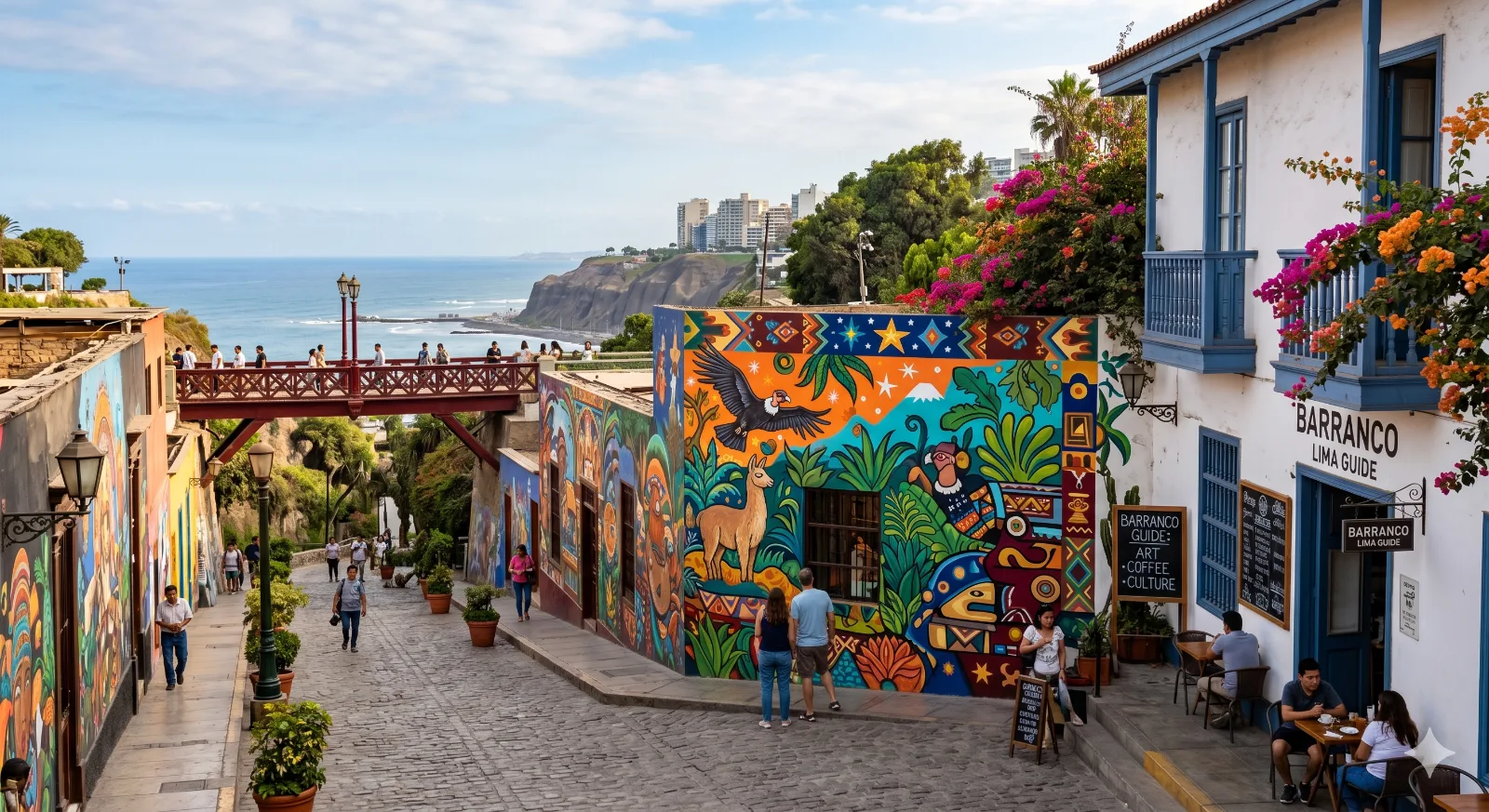
See the tourBarranco and Miraflores
Cocktail bars and neighbourhood haunts to try pisco sour, chilcano and piscos from different grapes by the sea.
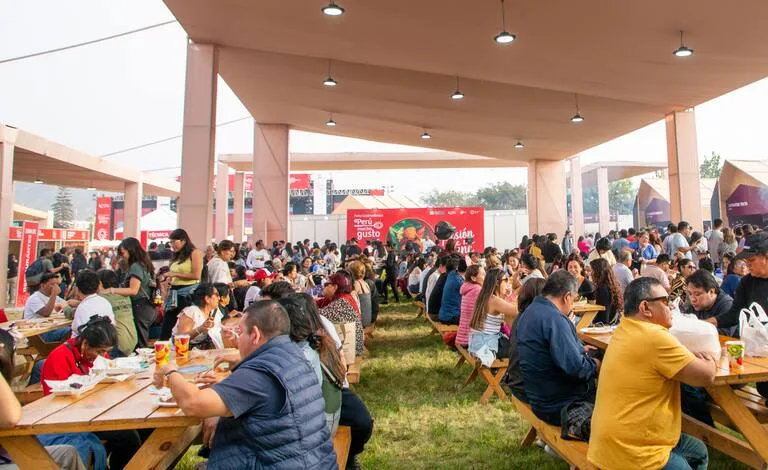
See the tourPisco tasting with Lima cuisine
A food tour ending with a guided tasting: how it is served, how to nose it and what sets each type apart.
See the tourIca's distilleries
In the Ica valley, south of Lima, family distilleries with copper stills and stone presses where grapes are trodden at harvest time.
Tips
If your dates match, Ica's grape harvest festival takes place in March, with celebrations and grapes trodden by foot. The first Saturday in February is Pisco Sour Day and Pisco Day is celebrated in July. At a tasting, try the pure piscos first and leave the mosto verde and aromatic ones for last.
Frequently asked questions
How is a pisco sour made?
With pisco, lime juice, sugar syrup and egg white, shaken with ice and served with a few drops of Angostura bitters on top.
What is the difference between pure, acholado and mosto verde pisco?
Pure pisco is made from a single grape variety; acholado blends several, and mosto verde is distilled before the grape must has finished fermenting, which makes it smoother and more aromatic.
Are there alcohol-free options?
Yes. On food tours you can try chicha morada, Peruvian fruit juices and other traditional drinks instead of the tastings.