
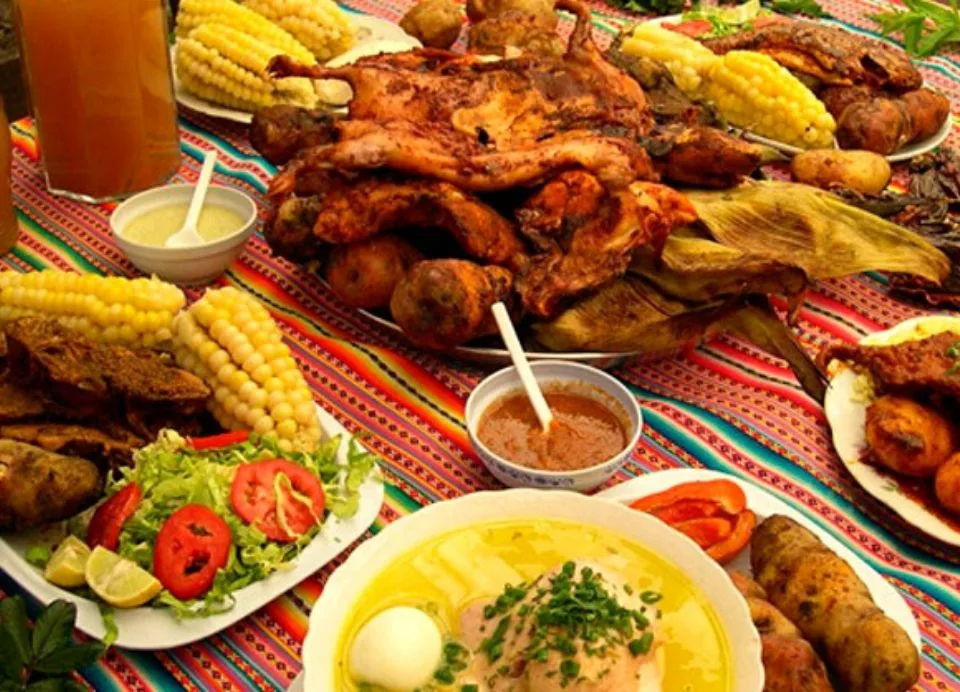
Peruvian Cuisine
Cooking classes with local chefs: ceviche, lomo saltado and the flavours of the land.
Peruvian cuisine blends Andean, Spanish, African, Chinese and Japanese influences on top of an enormous larder: thousands of potato varieties, corn of every colour, chilli peppers, quinoa, Pacific fish and rainforest fruit. That is why each region has its own dishes and every market is a discovery.
The best way to understand it is hands-on: walk a market with someone who knows every product and then cook a ceviche, a lomo saltado or a pisco sour. In Cusco and Lima there are classes and food tours for every level, no cooking experience needed.
Tours to experience Peruvian Cuisine
Guide: Peruvian Cuisine in Peru
Where to experience it
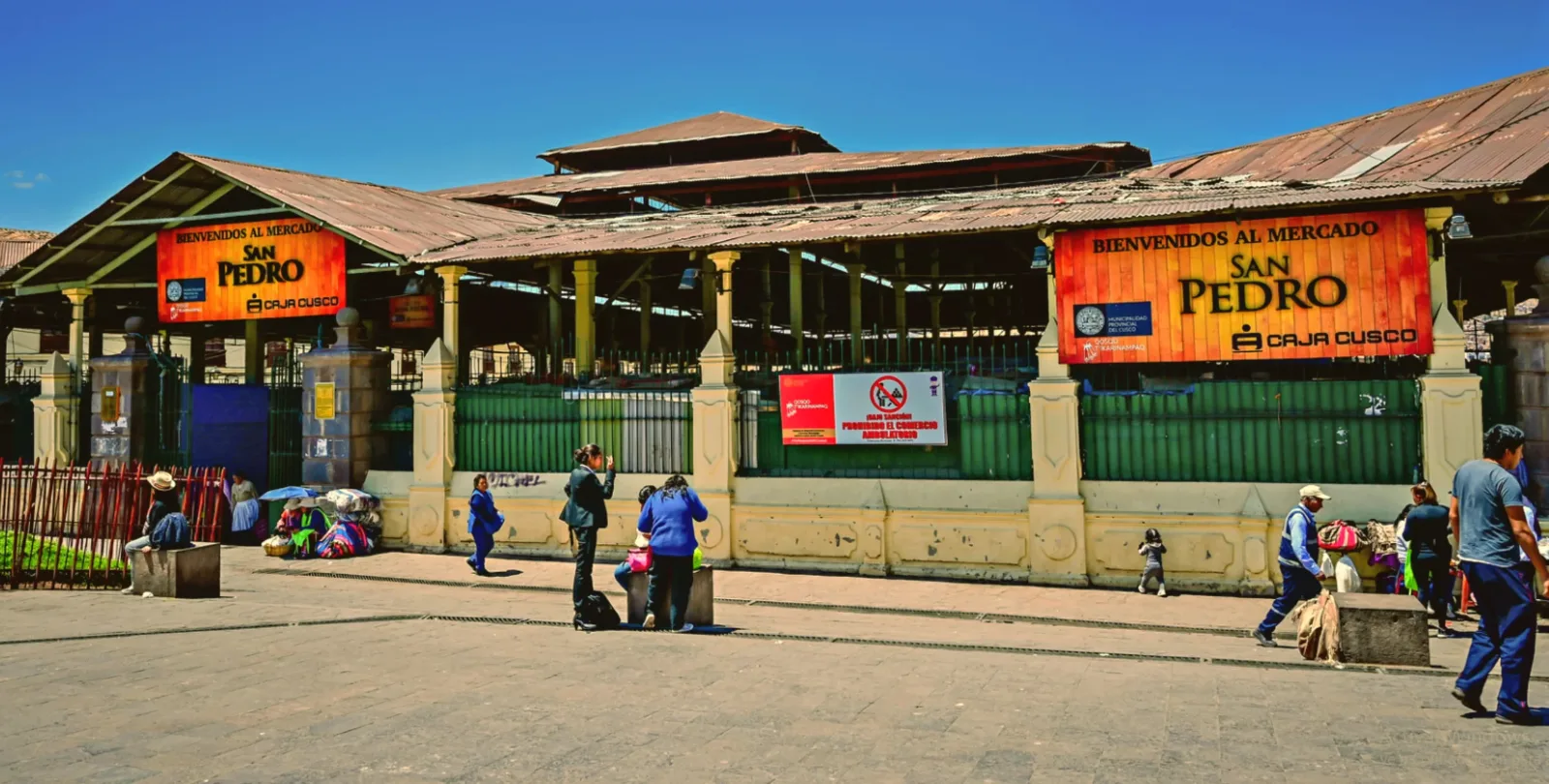
San Pedro Market, Cusco
Cusco's central market: colourful potatoes, jungle fruit, cheeses, huge loaves and stalls of juices and broths where locals eat.
See the tourCooking class in Cusco
With a local cook you prepare Andean and Creole dishes and learn to make a pisco sour, then sit down to eat what you have cooked.
See the tourLima, food capital
Cevicherías, Nikkei and Chifa cooking, neighbourhood markets and some of South America's most acclaimed restaurants.
See the tourPachamanca in the Sacred Valley
Meat, potatoes and broad beans cooked underground with hot stones and Andean herbs, a festive tradition in local communities.
Tips
In your first days at altitude it is best to eat light and drink plenty of water, always bottled. If you have an allergy or are vegetarian, tell us when booking: Peruvian food has many meat-free options, such as causa, corn with cheese or quinoa dishes.
Frequently asked questions
Which dishes should I try in Peru?
Ceviche, lomo saltado, ají de gallina, causa, anticuchos and rocoto relleno, and in the Andes, Cusco's chiri uchu or a quinoa soup. To drink, chicha morada and pisco sour.
Do I need to know how to cook for the class?
No. The classes are designed for anyone: the cook explains every step and makes dishes with you that are easy to recreate at home.
What is cuy?
It is guinea pig, raised and eaten in the Andes since pre-Inca times, especially at celebrations. It is served roasted or fried; trying it is entirely optional.